
UK Protein Market 2026 and the Move into Everyday Food
, by My Store Admin, 3 min reading time
Protein is appearing in more everyday formats. UFI’s 2026 category review considers what the figures mean for buyers and where product details still need scrutiny.
Protein products now extend beyond bars and powder tubs into bread, savoury snacks and other familiar foods. That gives grocery buyers more ways to serve the category, but makes it harder to judge a product from the front of the pack alone.
The useful question is where a product fits into the customer’s day. A breakfast item, a snack and a ready-to-drink shake may all carry a protein message while competing for different purchases. The category’s expansion makes that distinction more important.
Growth needs a closer reading
NIQ data for the 52 weeks to 29 August 2026 show supermarket sales of protein powders growing 16% in value and 3.1% in volume. Protein bars and balls grew 6.1% in value and 3.8% in volume over the same period.

Source: NIQ, supermarket sales, 52 weeks to 29 August 2026. Value and volume are separate measures.
Both groups recorded growth, but the gap between spending and quantity is different. It would be misleading to read the 16% figure as 16% more product being bought. Buyers should examine the measure and period before using a headline to justify additional stock.
These are UK findings. They can inform a shortlist for an export market, but they do not replace evidence from the destination’s retailers and customers.
Everyday formats broaden the choice
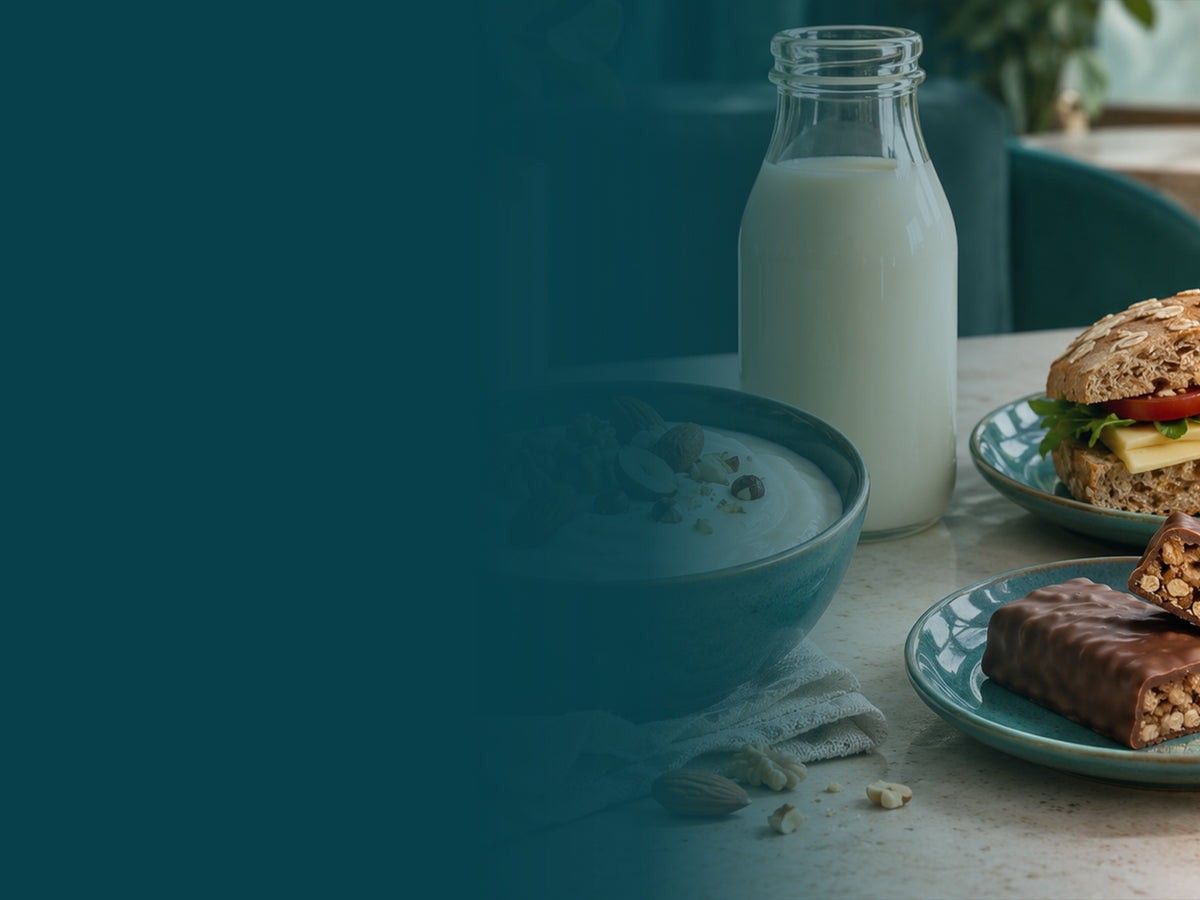
Biona Organic Protein Multiseed bread and Doritos Protein snacks illustrate how the proposition can move into breakfast and savoury eating occasions. They sit alongside the more familiar bar, powder and shake formats, rather than replacing them.
That creates several possible routes into the category. A retailer may want a convenient single portion, a breakfast product or something to sit beside an existing snack range. Each route needs its own assessment of taste, price, serving size and storage.
An unfamiliar format should have a clear reason to be there. Adding protein to a product does not automatically make it a better fit for the customer or a stronger commercial choice.
Keep the product information easy to understand
A buyer comparing grams per pack with grams per serving can easily reach the wrong conclusion. Use consistent measures when reviewing specifications and retain the actual serving size in customer-facing information.
The protein source, ingredient list and allergen declaration also deserve attention. Different variants within a range may have different formulations. Plant-based positioning, a low-sugar message and a protein claim should each be supported for the exact line, rather than inferred from the brand.
For the retailer, clear product facts are more useful than general promises about health. Explain what the product is, how it is served and the verified protein information for the chosen line.
Make room for taste and value
Taste and price remain essential even when a product has a prominent nutrition message. A bread, a coated bar and a savoury snack will be judged against different alternatives on the shelf.
Ask whether customers will want to buy it again. Sampling, clear pricing and an appropriate opening quantity can help a retailer assess that. Nutrition figures alone cannot answer questions about flavour, texture or willingness to pay.
Review the range before expanding it
Start by identifying gaps in the existing offer. An additional drink may be useful where shoppers already buy chilled refreshments; a compact bar range may suit a different channel. Avoid expanding every format at once without a way to measure the results.
Share your preferred categories and destination market with UF International to discuss the current selection. Confirm pack formats, claims and supply details before developing a broader range.
Data source: NIQ, supermarket sales, 52 weeks to 29 August 2026. Value and volume are separate measures. The product examples illustrate different formats; they do not establish a claim for every product within a brand.